Find your birthday and then find your tree. This is really cool and somewhat accurate, so they say.
| Dec 23 to Jan 01 | Apple Tree |
| Jan 01 to Jan 11 | Fir Tree |
| Jan 12 to Jan 24 | Elm Tree |
| Jan 25 to Feb 03 | Cypress Tree |
| Feb 04 to Feb 08 | Poplar Tree |
| Feb 09 to Feb 18 | Cedar Tree |
| Feb 19 to Feb 28 | Pine Tree |
| Mar 01 to Mar 10 | Weeping Willow Tree |
| Mar 11 to Mar 20 | Lime Tree |
| Mar 21 (only) | Oak Tree |
| Mar 22 to Mar 31 | Hazelnut Tree |
| Apr 01 to Apr 10 | Rowan Tree |
| Apr 11 to Apr 20 | Maple Tree |
| Apr 21 to Apr 30 | Walnut Tree |
| May 01 to May 14 | Poplar Tree |
| May 15 to May 24 | Chestnut Tree |
| May 25 to Jun 03 | Ash Tree |
| Jun 04 to Jun 13 | Hornbeam Tree |
| Jun 14 to Jun 23 | Fig Tree |
| Jun 24 (only) | Birch Tree |
| Jun 25 to Jul 04 | Apple Tree |
| Jul 05 to Jul 14 | Fir Tree |
| Jul 15 to Jul 25 | Elm Tree |
| Jul 26 to Aug 04 | Cypress Tree |
| Aug 05 to Aug 13 | Poplar Tree |
| Aug 14 to Aug 23 | Cedar Tree |
| Aug 24 to Sep 02 | Pine Tree |
| Sep 03 to Sep 12 | Weeping Willow Tree |
| Sep 13 to Sep 22 | Lime Tree |
| Sep 23 (only) | Olive Tree |
| Sep 24 to Oct 03 | Hazelnut Tree |
| Oct 04 to Oct 13 | Rowan Tree |
| Oct 14 to Oct 23 | Maple Tree |
| Oct 24 to Nov 11 | Walnut Tree |
| Nov 12 to Nov 21 | Chestnut Tree |
| Nov 22 to Dec 01 | Ash Tree |
| Dec 02 to Dec 11 | Hornbeam Tree |
| Dec 12 to Dec 21 | Fig Tree |
| Dec 22 (only) | Beech Tree |
YOUR TREE (in alphabetical order)
Apple Tree (Love) -- quiet and shy at times, lots of charm, appeal, and attraction, pleasant attitude, flirtatious smile, adventurous, sensitive, loyal in love, wants to love and be loved, faithful and tender partner, very generous, many talents, loves children, needs affectionate partner.
Ash Tree (Ambition) -- extremely attractive, vivacious, impulsive, demanding, does not care for criticism, ambitious, intelligent, talented, likes to play with fate, can be very egotistic, reliable, restless lover, sometimes money rules over the heart, demands attention, needs love and much emotional support.
Beech Tree (Creative) -- has good taste, concerned about its looks, materialistic, good organization of life and career, economical, good leader, takes no unnecessary risks, reasonable, splendid lifetime companion, keen on keeping fit (diets, sports, etc.).
Birch Tree (Inspiration) -- vivacious, attractive, elegant, friendly, unpretentious, modest, does not like anything in excess, abhors the vulgar, loves life in nature and in calm, not very passionate, full of imagination, little ambition, creates a calm and content atmosphere.
Cedar Tree (Confidence) -- of rare strength, knows how to adapt, likes unexpected presents, of good health, not in the least shy, tends to look down on others, self-confident, a great speaker, determined, often impatient, likes to impress others, has many talents, industrious, healthy optimism, waits for the one true love, able to make quick decisions.
Chestnut Tree (Honesty) -- of unusual stature, impressive, well-developed sense of justice, fun to be around, a planner, born diplomat, can be irritated easily, sensitive of others feelings, hard worker, sometimes acts superior, feels not understood at times, fiercely family oriented, very loyal in love, physically fit.
Cypress Tree (Faithfulness) -- strong, muscular, adaptable, takes what life has to give but doesn't necessarily like it, strives to be content, optimistic, wants to be financially independent, wants love and affection, hates loneliness, passionate lover which cannot be satisfied, faithful, quick-tempered at times, can be unruly and careless, loves to gain knowledge, needs to be needed.
Elm Tree (Noble-mindedness) -- pleasant shape, tasteful clothes, modest demands, tends not to forgive mistakes, cheerful, likes to lead but not to obey, honest and faithful partner, likes making decisions for others, noble-minded, generous, good sense of humor, practical.
Fig Tree (Sensibility) -- very strong minded, a bit self-willed, honest, loyal, independent, hates contradiction or arguments, hard worker when wants to be, loves life and friends, enjoys children and animals, few sexual relationships, great sense of humor, has artistic talent and great intelligence.
Fir Tree (Mysterious) -- extraordinary taste, handles stress well, loves anything beautiful, stubborn, tends to care for those close to them, hard to trust others, yet a social butterfly, likes idleness and laziness after long demanding hours at work, rather modest, talented, unselfish, many friends, very reliable.
Hazelnut Tree (Extraordinary) -- charming, sense of humor, very demanding but can also be very understanding, knows how to make a lasting impression, active fighter for social causes and politics, popular, quite moody, sexually oriented, honest, a perfectionist, has a precise sense of judgment and expects complete fairness.
Hornbeam Tree (Good Taste) -- of cool beauty, cares for its looks and condition, good taste, is not egoistic, makes life as comfortable as possible, leads a reasonable and disciplined life, looks for kindness and acknowledgment in an emotional partner, dreams of unusual lovers, is seldom happy with its feelings, mistrusts most people, is never sure of its decisions, very conscientious.
Lime Tree (Doubt) - intelligent, hard working, accepts what life dishes out, but not before trying to change bad circumstances into good ones, hates fighting and stress, enjoys getaway vacations, may appear tough, but is actually soft and relenting, always willing to make sacrifices for family and friends, has many talents but not always enough time to use them, can become a complainer, great leadership qualities, is jealous at times but extremely loyal.
Maple Tree (Independence of Mind) -- no ordinary person, full of imagination and originality, shy and reserved, ambitious, proud, self-confident, hungers for new experiences, sometimes nervous, has many complexities, good memory, learns easily, complicated love life, wants to impress.
Oak Tree (Brave) -- robust nature, courageous, strong, unrelenting, independent, sensible, does not like change, keeps its feet on the ground, person of action.
Olive Tree (Wisdom) -- loves sun, warmth and kind feelings, reasonable, balanced, avoids aggression and violence, tolerant, cheerful, calm, well-developed sense of justice, sensitive, empathetic, free of jealousy, loves to read and the company of sophisticated people.
Pine Tree (Peacemaker) -- loves agreeable company, craves peace and harmony, loves to help others, active imagination, likes to write poetry, not fashion conscious, great compassion, friendly to all, falls strongly in love but will leave if betrayed or lied to, emotionally soft, low self esteem, needs affection and reassurance.
Poplar Tree (Uncertainty) -- looks very decorative, talented, not very self-confident, extremely courageous if necessary, needs goodwill and pleasant surroundings, very choosy, often lonely, great animosity, great artistic nature, good organizer, tends to lean toward philosophy, reliable in any situation, takes partnership seriously.
Rowan Tree (Sensitivity) -- full of charm, cheerful, gifted without egoism, likes to draw attention, loves life, motion, unrest, and even complications, is both dependent and independent, good taste, artistic, passionate, emotional, good company, does not forgive.
Walnut Tree (Passion) -- unrelenting, strange and full of contrasts, often egotistic, aggressive, noble, broad horizon, unexpected reactions, spontaneous, unlimited ambition, no flexibility, difficult and uncommon partner, not always liked but often admired, ingenious strategist, very jealous and passionate, no compromise.
Weeping Willow (Melancholy) - likes to be stress free, loves family life, full of hopes and dreams, attractive, very empathetic, loves anything beautiful, musically inclined, loves to travel to exotic places, restless, capricious, honest, can be influenced but is not easy to live with when pressured, sometimes demanding, good intuition, suffers in love until they find that one loyal, steadfast partner; loves to make others laugh.
 and bits of old paving stones.
 Then you get some lawn clippings,, more wet shredded paper, compost and soil. Just enough to make like a 3cm layer on the bottom. Then you get some food scraps and put on top. This is food for the worms. The next part is the hard part. Finding worms. You can buy them, but I just went on a worm hunt around the garden
 . Next place another tyre on top and when the compost is ready you remove the lower tyre and the put it back on top again.
  Feed the worms with veges and food scraps and wet shredded paper. Add water if paper dries out and once a month dust with garden lime. Lastly cover the tyres with plastic weighed down with something to keep it in place. I used a couple of bits of wood and a pot plant


 water and blanch the broccoli. I'm not giving amounts because I never measure things, LOL. Save this water to cook some pasta in. In a frying pan add some olive oil and chuck in some garlic cloves and and saute the broccoli in this for a few mins. Put the cooked and drained pasta in with the broccoli. You can add more salt and some pepper if you want. Stir around and once it's done you can add a sprinkle of grated cheese on top. An alternative to cheese, (poor mans cheese) is breadcrumbs sauted in a pan with Olive oil, garlic and salt until it becomes golden.
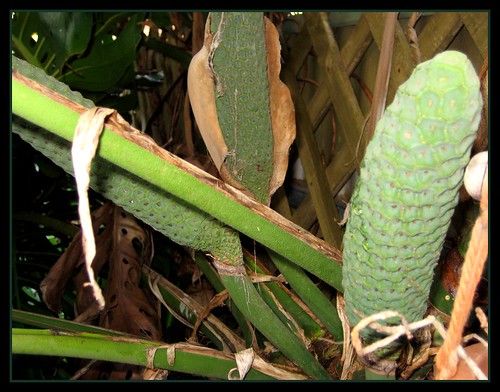

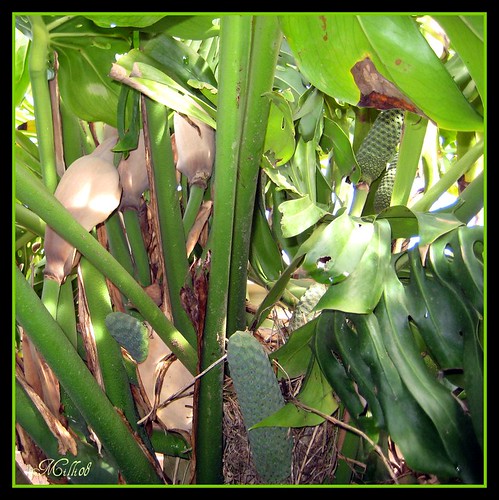
 Often called the Fruit Salad plant or the Swiss Cheese Plant as the ripened fruit has a pineapple-banana odour and fruit salad taste. The mature fruit has a yellow-green, violet-spotted rind of hexagonal plates covering a creamy-white, soft pulp. Highly ornamental, an excellent choice for heavily shaded positions.